Learn About Essential Tree Service Practices for Optimal Tree Care
Having knowledge of arboriculture is essential for keeping the surroundings healthy. Important techniques like pruning and mulching play significant roles in promoting tree vitality. Furthermore, proper watering techniques are crucial for new root growth. Yet, a lot of individuals ignore the signs of tree diseases and the importance of hiring professionals. Looking into these areas can foster a greater respect for trees and their care. What steps can one take to make sure their trees flourish?
Understanding the Importance of Tree Health
Knowing why tree health is crucial is critical, as trees are key players in maintaining ecological balance and enhancing urban environments. Strong trees assist with air quality, give shelter, and sustain animal homes. Furthermore, they help lessen climate change by absorbing CO2, which makes them vital for a sustainable environment.
In city environments, properly cared-for trees enhance the appearance, boost real estate worth, and support public welfare. Trees help diminish heat island effects in cities, which saves money on energy.
Neglecting tree health, conversely, can result in disease, pest infestations, and structural instability, presenting hazards to the trees and nearby structures alike. As a result, identifying signs of a healthy tree, such as leaf coloration, its development rate, and bark condition, is critical for effective management. In the end, fostering healthy trees supports not only individual landscapes but also the broader ecosystem, emphasizing the need for proactive care and care methods.
Crucial Techniques for Cutting Branches
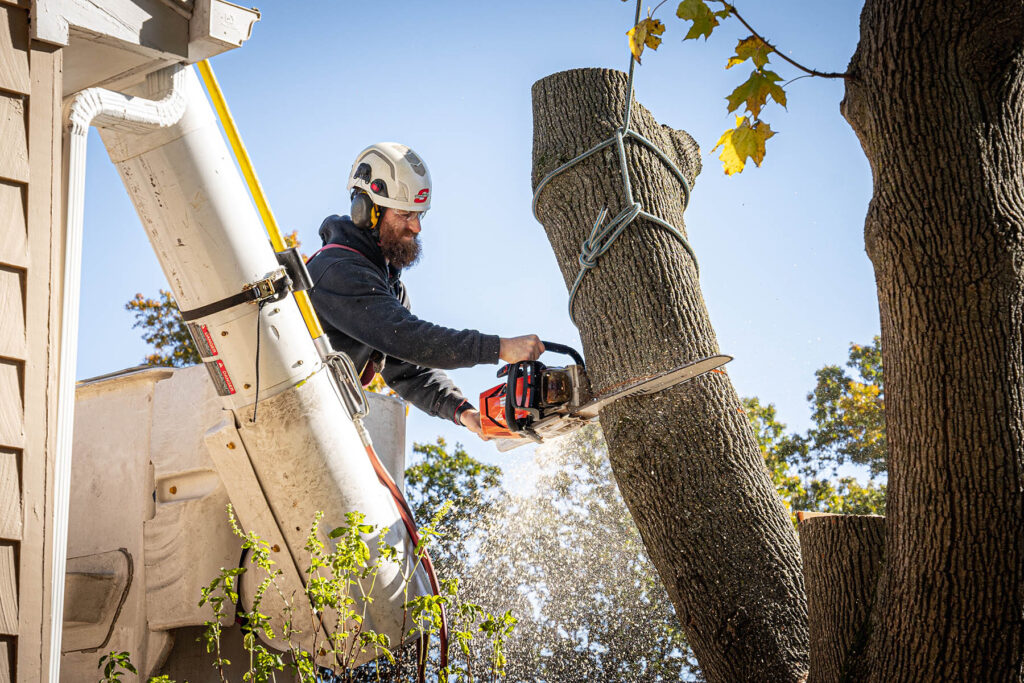
Pruning is an important practice in tree care that ensures optimal development and well-being, as it gets rid of sick or dead limbs and boosts ventilation within the canopy. Applying correct practices guarantees that trees can thrive in their environment.
A key method is "thinning," which involves selectively removing branches to enhance light penetration and reduce weight on weaker limbs. 'Heading back' are another method, where the terminal buds are removed to promote bushier growth, particularly for young trees. Additionally, the 'crown reduction' technique lowers the overall height of a tree while preserving its inherent form.
When to prune is key; cutting during the inactive period reduces strain and optimizes healing. Pruning implements must be sharp and sterile to prevent injury and disease transmission. Knowing these essential trimming methods is necessary for all tree specialists aiming to maintain healthy and beautiful trees.
Spotting Frequent Tree Illnesses
What helps tree owners spot the symptoms of frequent ailments that endanger their trees? Familiarity with key indicators is essential for early detection and action. Typical signs involve foliage that is off-color or limp, possibly indicating a fungus or a lack of necessary nutrients. Abnormal formations, for example, galls and cankers, often point to pests or pathogens that compromise tree health. Furthermore, peeling bark or oozing sap might suggest an infection that demand quick action.
Arborists should look for modifications to the tree's appearance, like premature leaf shedding or dead branches, suggesting a deeper, more serious issue. Looking out for insect attacks, such as holes in the bark or frass, is necessary too. By staying watchful and taking action, owners are able to spot these frequent ailments and seek appropriate remedies, ensuring their trees remain healthy and vibrant all year long.
How Mulching Helps Trees
Mulching is a key technique in tree care, providing many advantages that promote healthy growth and durability. This technique requires placing a covering of specific material types at the tree's base, which helps retain soil moisture, preventing weed growth, and regulate soil temperature. The mulch covering not only reduces competition from invasive plants but also boosts the visual appeal of the landscape.
In addition, materials like wood chips, like bark or wood chips, decompose over time, adding vital nutrients to the soil and enhancing the soil's composition. This continuous action supports root development and fosters a healthier environment for the plant. In addition, applying mulch helps stop the erosion of soil, thereby stabilizing of the tree’s root system. When applied correctly mulch needs to be arranged in a circular pattern, keeping it away with the trunk to stop decay. In summary, making mulching a part into tree care routines significantly aids to the sustained well-being of trees.
Optimal Watering Methods for Trees
Effective tree care requires more than just mulching but also proper watering practices to guarantee ideal growth and health. Tree specimens, specifically new plantings, need consistent moisture to develop robust root structures. Deep hydration is crucial, as it promotes roots to descend where moisture is more consistent. Preferably, trees ought to get approximately an inch of water per week, be it from precipitation or additional watering.
Watering should be done early in the morning to cut down on evaporation and disease caused by fungi. One must be careful not to overwatering, which often causes root decay and related complications. Check the ground for moisture before watering; should the top two inches be arid, it is time to provide water. Additionally, employing a soaker hose or drip irrigation can provide a slow, steady supply of water, guaranteeing trees are sufficiently hydrated without the risk of runoff. Effective hydration techniques significantly aid to the general well-being of trees.
Hiring Professional Tree Services: When and Why
When considering the health and aesthetics of a property, retaining specialized arborists can be crucial for homeowners with complicated tree maintenance requirements. Trained arborists hold the expertise to evaluate the condition of trees, spot illnesses, and apply successful remedies. Arborists are also aware of local regulations for removing trees and maintenance, guaranteeing compliance and sidestepping fines
(Stillwater Tree Service)Homeowners should consider hiring professionals when dealing with large trees, specifically trees near homes or power lines, as mishandling creates safety hazards. Furthermore, trees requiring pruning for looks or well-being benefit from the skills of trained specialists who can perform careful trimming to stimulate new growth
Seasonal tasks, such as preparing for storms and post-storm tidying, also warrant professional intervention to keep the property safe and appearance. Ultimately, hiring certified arborists ensures optimal tree maintenance, which benefits greatly the property's aesthetics and property value
Commonly Asked Questions
How Can I Tell if My Tree Is Overwatered?
Overwatering often leads to yellowing leaves, drooping even when the ground is wet, decaying roots, and excessive leaf drop. In addition, the development of mold or fungus near the trunk's bottom often suggests inadequate water runoff and waterlogged conditions.
What Is the Best Time of Year for Tree Pruning?
The optimal period to prune trees is usually between late winter and the start of spring before new growth begins - Stillwater Tree Service. Pruning at this time encourages healthy growth and reduces the tree's strain, facilitating quick recovery and further growth
Can Trees Recover From Severe Storm Damage?
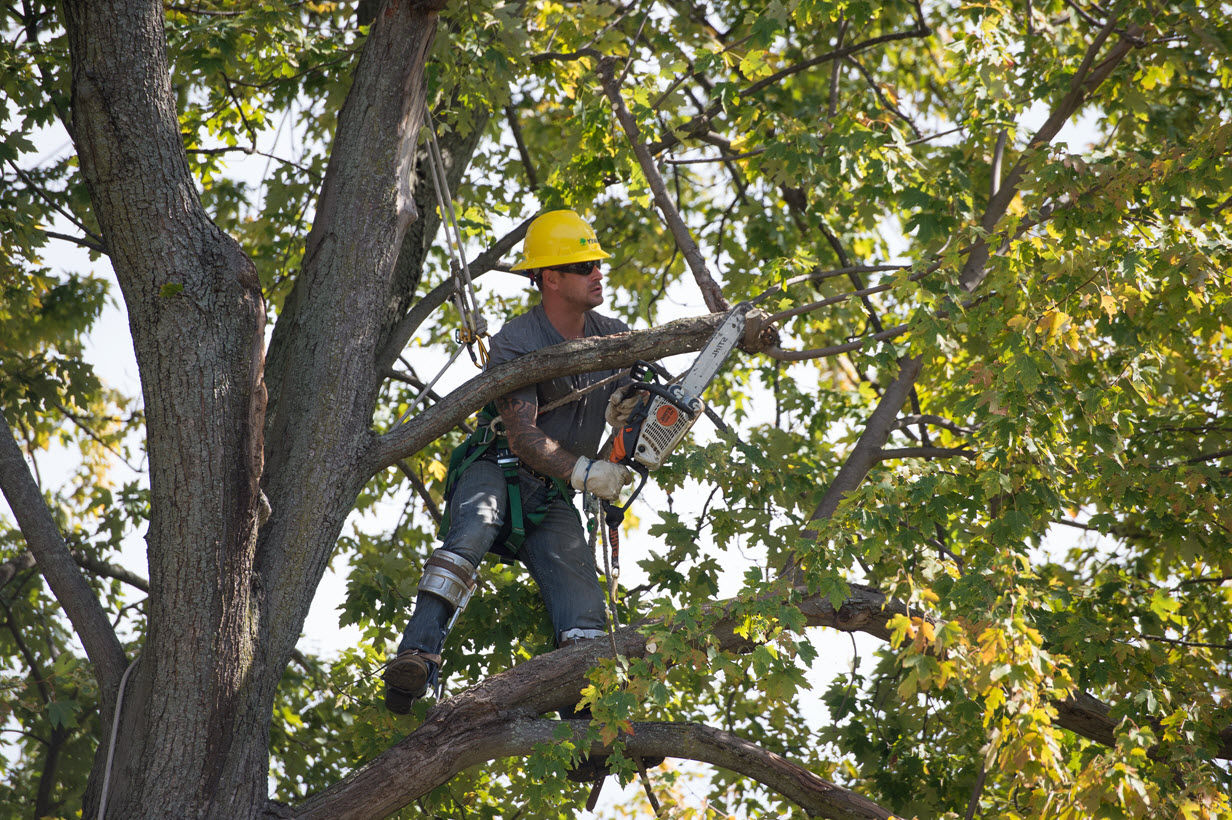
It is possible for trees to bounce back after severe weather. Given the right attention, including the removal of injured parts and providing adequate water and nutrients, many trees can regain their health and keep growing strong after experiencing significant stress.
What Should I Look For When Choosing the Right Mulch for My Trees?
When selecting appropriate mulch, one should consider organic materials for example, bark nuggets or wood shavings, ensure a layer 2 to 4 inches deep, and avoid piling mulch against the trunk similar information to safeguard against rot.
Are There Specific Trees That Require More Care Than Others?
Some species, like young trees and fruit-bearing plants, require greater attention due to their sensitivity to environmental changes and specialized fertilization demands. Frequent checking and specific upkeep methods are vital for their condition and growth.